My workbench is where useful ideas become tested tools, records and working systems.
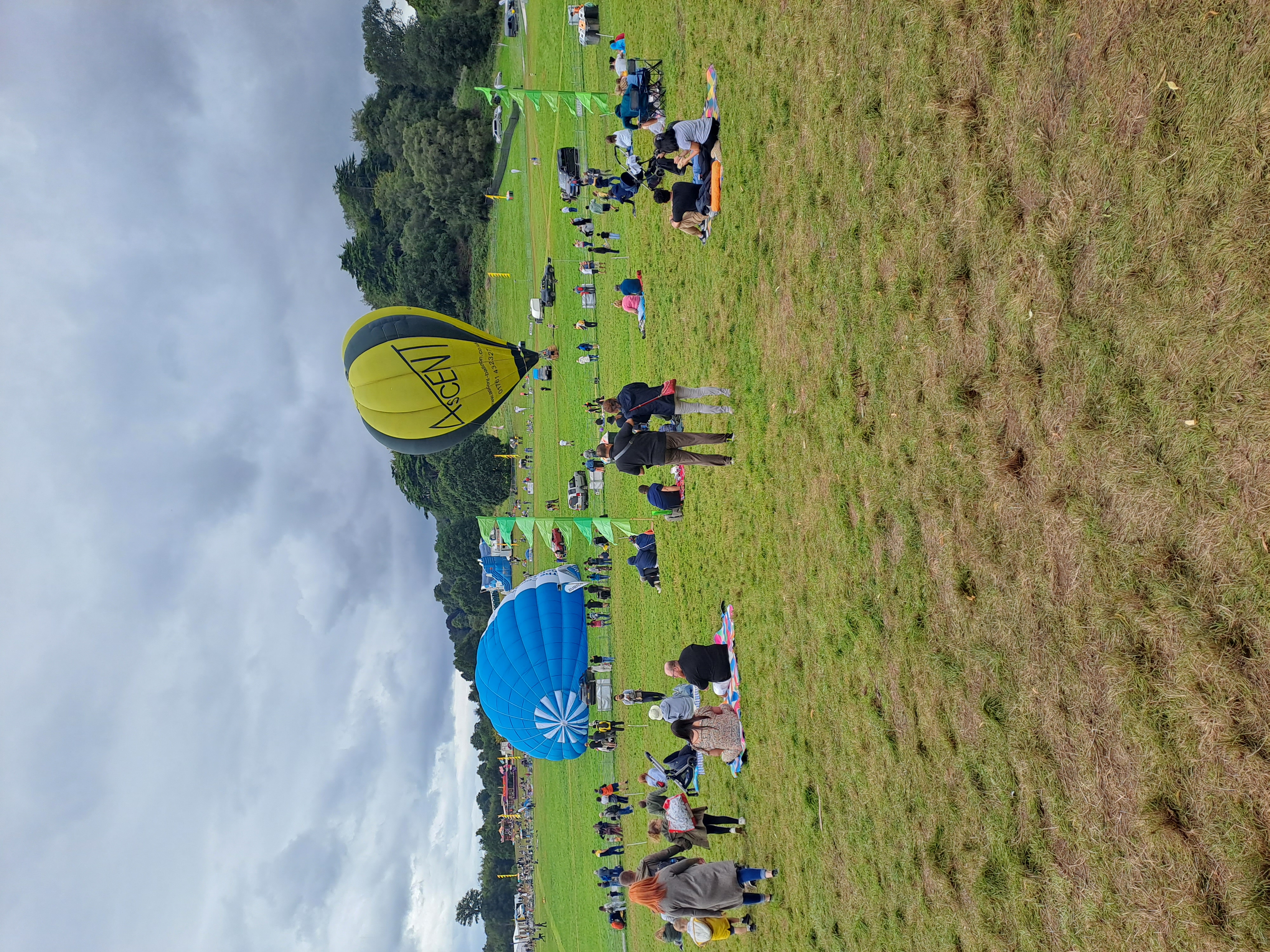
Ashton Court, Bristol Balloon Fiesta, Bristol, England
Chapter IV
My workbench: selected work that demonstrates practical capability.
I have included this page to showcase and demonstrate practical examples of my work, my working method and my decision-making style.
A CV can show roles, responsibilities and employment history. My workbench is different: it shows how I structure information, organise decisions, improve processes, communicate clearly and use digital tools responsibly.
I have chosen these examples because they reflect the kind of capability I bring to business operations, project support, documentation, service improvement, digital support and technical liaison work.
A common thread runs through my work: I like to make unclear things usable. That may mean turning loose information into a clear structure, bringing order to messy records, creating a more reliable workflow, or explaining something complicated in plain English.
It also reflects how I keep improving my work. I test ideas through practical use, refine what is useful, remove what is unnecessary, and build systems that are easier to understand, maintain and hand over.
Tools & Methods
Practical tool fluency, applied to organised work.
I can usually step into a working environment and understand the basic toolset, records, handovers and control points quickly. The specific system matters less than the discipline behind it: visible work, clear ownership, reliable records, proportionate controls and regular review.
Digital build and version control
GitHub, VS Code, HTML/CSS and simple static-site structure.
Used for: controlled changes, maintainable pages, clear navigation and public proof-of-work.
Office and information systems
Microsoft 365, Excel, documents, shared folders and SharePoint-style information management.
Used for: registers, reports, trackers, structured notes and usable team records.
PMO and workflow control
Task boards, action logs, decision records, handover notes, status checks and visible work.
Used for: ownership, follow-through, audit-trail thinking and fewer loose ends.
Improvement methods
Process mapping, lean working, Kanban-style flow, small controlled changes and feedback loops.
Used for: reducing friction, clarifying routes and improving messy working environments.
Responsible AI-assisted work
Controlled drafting, comparison, note structuring, consistency checks and source-aware review.
Used for: faster preparation without giving up human judgement, privacy awareness or final responsibility.
This is not an exhaustive list. I adapt to the tools already in use, provided the purpose is clear and the work remains understandable, maintainable and safe to hand over.
Walking route near Wells, Somerset, England
Selected Evidence
Practical examples and why I have included them.
Live example
CV Website and Personal Portfolio
What I chose to include: this website as a live example of how I organise professional information into a clear route: profile, experience, method, workbench, CV and contact.
Why I included it: the site itself demonstrates how I think about information architecture, navigation, tone, evidence, version control and public presentation. It is not only a profile; it is also a working example of structure and judgement.
How it translates: useful for digital support, project coordination, documentation, web content, business operations and roles where messy information needs to become usable.
Information architectureGitHub workflowContent governance
What I chose to include: a small digital-support project focused on clear websites, practical systems and maintainable structures for small organisations.
Why I included it: it shows how I approach digital work without unnecessary complexity: plain-English content, simple page structures, basic governance pages, restrained design and practical maintainability.
How it translates: useful for web/content support, service improvement, small-business operations, stakeholder communication and low-complexity digital delivery.
Plain EnglishMaintainable webSmall-organisation support
What I chose to include: the way I use task boards, current-task notes, decision logs, action trackers, risk notes and working registers to keep activity visible and controlled.
Why I included it: I have seen how quickly work becomes confused when actions, owners, dates and decisions live only in messages, meetings or memory. My instinct is to make the work visible enough that someone else can understand where things stand.
How it translates: useful for PMO support, governance, compliance administration, service operations, handover discipline and any role where records need to stand up later.
What I chose to include: examples of how I think about unclear ownership, duplicated files, inconsistent naming, weak handovers, uncontrolled documents, messy shared folders and processes that rely too much on memory.
Why I included it: these are common business problems. I tend to notice where effort is being wasted because the route, record or owner is unclear. My approach is to map the work, remove unnecessary friction and make the next step easier to see.
How it translates: useful for business operations, service improvement, project coordination, process mapping, SharePoint-style information organisation and practical lean working.
What I chose to include: my use of AI-assisted tools as part of controlled workflow: structuring notes, comparing options, drafting material, checking consistency and organising next steps.
Why I included it: there is a lot of noise around AI. I take a practical view: it is a useful workshop tool, not an authority. I use it where it helps structure and speed up work, while keeping human judgement, source checking, privacy awareness and final responsibility in place.
How it translates: useful for modern operations, documentation support, analysis, communication, project support and teams trying to use new tools without losing control of standards.
GuardrailsSource checkingHuman review
Example: TBC
Personal-interest origin
Analysis and Public-Information Work
What I chose to include: civic and public-information work developed from personal interest where it demonstrates a professional method.
Why I included it: these examples show how I read source material, check routes, separate fact from opinion, explain complex information plainly, log actions and identify a reasonable next step. The subject matter may come from personal interest; the method is directly transferable.
How it translates: useful for research support, policy/admin support, public-sector operations, stakeholder-route mapping, plain-English communication and evidence-led follow-through.
Evidence handlingPlain EnglishRoute mapping
Example: TBC
Communication evidence
Communication and Translation
What I chose to include: structured emails, briefing notes, plain-English summaries, meeting notes, action logs and explanations that help people understand what has happened and what needs to happen next.
Why I included it: good systems fail if people cannot understand them. A recurring part of my work is translating between technical teams, operational users, managers, suppliers, customers and public-facing readers.
How it translates: useful for project support, service delivery, technical liaison, business support, stakeholder updates and any role where clear written communication reduces confusion.
BriefingStakeholder updatesTranslation
Example: TBC
Overall
What this demonstrates overall.
Taken together, my workbench shows practical evidence of how I work: organising information, improving processes, maintaining records, communicating clearly, using digital tools responsibly and turning unclear work into usable structure.
The common thread is simple: I build working systems that help people understand the problem, see the next step and keep moving.